3D Animation Process: My Manual Craftsmanship
I do not use AI shortcuts. Every frame is built from scratch in my Mumbai studio. Here is how I turn concepts into 3D reality using industry-standard tools.
A behind the scenes breakdown of the Chintamani T-shirt animation. This video shows my process from the initial sketch to the final 3D render, highlighting the node-based texturing and fabric simulation.
A 3D model of a futuristic sleeping capsule. This video not only shows the final rendered object but also credits the software I used, Maya and V-Ray, offering a look into my technical toolkit.
A playful take on the AI art trend, where I created a 3D action figure of myself. This animation is my statement on the value of human artists, showing that my render is done and I am off to the next real project.
About The Artist's Process: My Craft
When you watch a 15-second loop, you are seeing hours of node-based texturing, lighting setups, and manual frame rendering. I do not rely on algorithms to guess the look of a festival teaser or a product reveal. By using tools like Maya and Blender from scratch, I ensure that every reflection, fabric movement, and light bounce is intentional. This is not just digital art; it is a controlled environment designed to match the exact energy of your project.
People often ask why I spend so much time on manual 3D modeling when AI tools are faster. The difference is in the soul of the final output. Whether I am working on a music video concept or a promotional reveal, my process starts with a blank workspace.
The Toolkit
I rely on an industry-standard stack to maintain full control:
- Maya & Blender: For base modeling, rigging, and character animation. This is where the structural work happens.
- Substance Painter: For texturing. I do not use pre-sets; I paint wear, moss, and specific surface details manually to keep things authentic.
- V-Ray: For rendering. This is crucial for achieving photorealistic light bounces and the cinematic atmosphere that AI generators struggle to get right consistently.
- After Effects: For final compositing, adding the glow or specific color grades that make a piece stand out.
Why Manual Matters
When you hire me for a product reveal or a festival teaser, you get consistency. AI often hallucinates details, which ruins technical precision—especially for brands that need their logos or products represented accurately. My workflow is about reliability. If you need a specific type of fabric simulation or a character animation that moves with the rhythm of a hip-hop track, I build it to your exact brief.
I do not just generate a result. I craft a 3D scene where every asset, light source, and camera angle is chosen by me to evoke the right emotion.
Similar work from other experts
Browse through Curated picks from other experts on mytribe
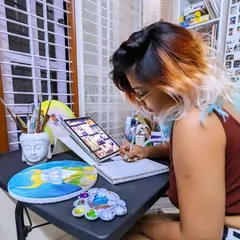
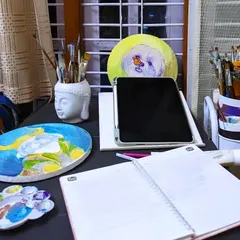
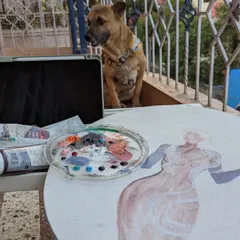
A Peek Into My Studio and Creative Process
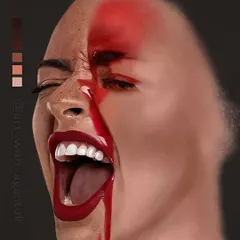
Behind the Art: How My Hyper-Realistic Portraits Come to Life
Dark 3D Horror Animation and Looping Visuals
My Design Process: From Concept to Reality
Motion Graphics & AI Animation in Custom Graffiti Style
Stop Motion Product Animations for Your Brand
More from 3D Animation for Entertainment & Culture by Ajinkya Kadam
More services by Ajinkya Kadam