Common Dog Training Myths Debunked
Stop drowning in conflicting advice. I cut through the internet noise with science-backed training that prioritizes your dog’s welfare and your peace of mind.
The single most important thing you can do to understand your dog is to learn their body language. In this video, I recommend my favorite book for learning about "calming signals," which are the subtle ways dogs tell us they're uncomfortable.
Is that behavior normal? This video covers five common dog behaviors, like sniffing everything and jumping, that people often consider "bad" but are actually completely normal. Understanding what's natural for a dog is the first step to a better relationship.
Let's normalize some key truths about dog behavior. It's okay if your dog doesn't want to be friends with every other dog, and it's crucial to understand that changing behavior takes time and patience.
My core belief is that we need to normalize treating dogs like dogs, not little humans in fur coats. This means respecting their unique needs, communicating clearly, and ending fear-based discipline for good.
These are the house rules we live by. We choose our "no's" wisely, give our dog choices whenever possible, and never shy away from using food in training. These principles create a respectful and happy home.
We control so much of our dogs' lives. I believe in giving them back a sense of control whenever possible. This can be as simple as letting them choose the direction of a walk or respecting when they say "no" to being petted.
Instead of constantly saying "no," I teach my clients to focus on what their dog *can* do. Redirecting your dog to an appropriate behavior is far more effective and less stressful than constantly correcting them.
Here's a piece of advice that will transform your relationship with your dog: if it's not hurting anyone, let them do it. Allowing your dog these small joys, like carrying a favorite object on a walk, builds trust and happiness.
A gentle reminder for all pet parents: your dog doesn't have to love everyone and everything. It's okay for them to have preferences, and it's our job to respect their boundaries.
This is the "propaganda" my dog and I are falling for: feeding fresh food, advocating for her needs, and prioritizing regular training to build our relationship. This is what modern, responsible pet parenting looks like.
About Common Questions & Myth Busting
If you are currently dealing with a dog that growls, please stop trying to 'correct' it. A growl is a vital communication tool, your dog's way of saying they are uncomfortable and need space. Punishing that warning often just removes the signal, not the underlying stress, which is exactly how accidents happen. Instead, focus on identifying exactly what is triggering that discomfort in your environment.
The internet is a minefield of bad training advice. You have probably been told to dominate your dog, to establish 'alpha' status, or to ignore bad behavior until it stops. Let me be clear: most of that is outdated, harmful, and makes your life harder.
Why Force-Free Training Works
I focus on teaching you to read your dog’s body language. Dogs do not act 'naughty' just to spite you. When they chew the sofa or pull on the leash, they are often expressing unmet needs or anxiety. By shifting from correction to redirection, we solve the root cause rather than just suppressing the symptoms.
Breaking Common Myths
- 'My dog is jealous': Dogs don't experience jealousy like humans. If your dog is acting out when you pet another dog or hold a baby, it is likely resource guarding or anxiety, not spite.
- 'I need to shout to be heard': Shouting just adds to the chaos. If you yell at a barking dog, you are just joining in on the barking. We focus on calm communication and setting boundaries that actually work.
- 'Food rewards make dogs demanding': Using treats is one of the most effective ways to build trust. It is not bribery; it is payment for good work.
My goal is to make you the leader your dog respects because they feel safe with you, not because they fear you. Whether you are in Bengaluru and need in-home coaching, or you are somewhere else and need a virtual behavior consultation, I am here to help you get the real answers you need.
Similar work from other experts
Browse through Curated picks from other experts on mytribe
 33
33


Certified Dog Behaviourist Training in Bangalore
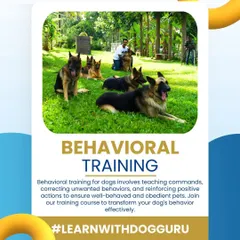
Proven Solutions for Dog Behavioral Issues
Dog Behavioral Training & Problem Solving

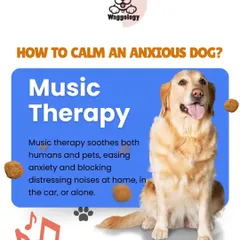

Overcoming Your Dog's Anxiety and Fearful Behavior

Managing Common Dog Behavior Problems
Our Dog-Centric Training and Behaviour Philosophy
More from Dog Training & Behavior by Nitika Ahlawat
More services by Nitika Ahlawat