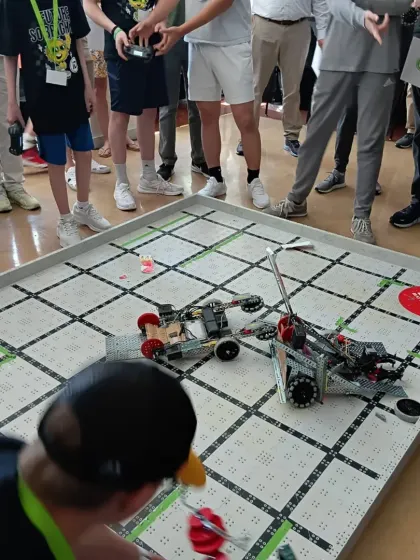
STEM Education Programs in Mumbai
We run hands-on robotics, coding, electronics, and AI programs where kids build real projects, solve problems, and learn by doing instead of just memorizing.
Pricing Guide
ESTIMATESAbout STEM Education Programs
Why We Do What We Do
I see every kid as a future innovator, not a "problem" to be fixed. My goal is to upgrade how kids learn, not just what they learn. If your child is curious, restless, or always asking "why," they're in the right place.
How We Teach: Skill Over Rote
Everything here is hands-on. Screen time turns into skill time. Kids build real projects, mess up, debug, and try again. That’s how they get grit and confidence - not just comfort.
What We Offer: STEM Playground
- Robotics classes for kids: From Lego Duplo and WeDo for ages 3.5-9, to Arduino and electronics workshops for ages 10+. Kids build robots, learn mechanics, and dive into IoT.
- Coding courses for children: Visual coding (Scratch, Scratch Jr.) for younger kids, then Python, HTML & CSS for teens. They make games, stories, and websites.
- Electronics: For ages 10+, hands-on with breadboards, sensors, circuits. Projects like solar street lights or drowsiness detectors.
- AI and IoT for students: Advanced robotics and coding include AI, Machine Learning, and smart device creation.
Who Fits In
If you want your child to build real skills, solve problems, and think for themselves, this is for you. If you’re after just certificates, honestly, this isn’t the place.
What Kids Take Away
- Problem-solving
- Creativity
- Persistence (grit)
- Logical thinking
Kids leave with skills for life, not just a resume.
Highlights
Browse through STEM Art Lab's best work
Meet your Expert
STEM Art Lab
My Story
When we kicked off STEM ART LAB, folks said, 'Arre, yeh kaise chalega?' (How will this work?) Mixing art with STEM, letting kids build instead of just mugging up - got us some side-eyes. But that fired us up! Grateful for the doubters, seriously. Our real heroes? The kids who won't sit still, the parents who trust us. We're here to turn little tech consumers into creators, and honestly, we’re just getting started.
My Work
Robotics, Coding & More - We teach hands-on robotics for kids, coding (Scratch, Python), AI/ML, electronics, Arduino, IoT, app design, and Lego.
Learning by Doing - Kids build stuff, code games, solve real problems. No boring lectures. Just messy, fun, real learning.
Building Grit - Awards are cool, but grit matters more. We teach kids to fail, try again, and grow real confidence.
All Ages Welcome - STEM ART LAB is open from age 5 to college. From block-coding to advanced AI, everyone finds their spot.
Private Python Coaching - For some courses, like Python, our experts come home. Screen time becomes skill time, right at your doorstep.
Tech Birthday Parties - Want a tech-themed birthday party? We host those too - robots, coding, games, and lots of fun.