Pet Nutrition 101: Balanced Diet Tips for Your Dog
Confused about what to put in your pet's bowl? From deciphering food labels to managing allergies and weight, we are cutting through the noise with clear, vet-approved nutrition advice.
Are dogs vegetarian? The simple answer is no. As facultative carnivores, they thrive on a diet rich in non-vegetarian protein. I explain the biological reasons, from their teeth to their rapid growth rate.
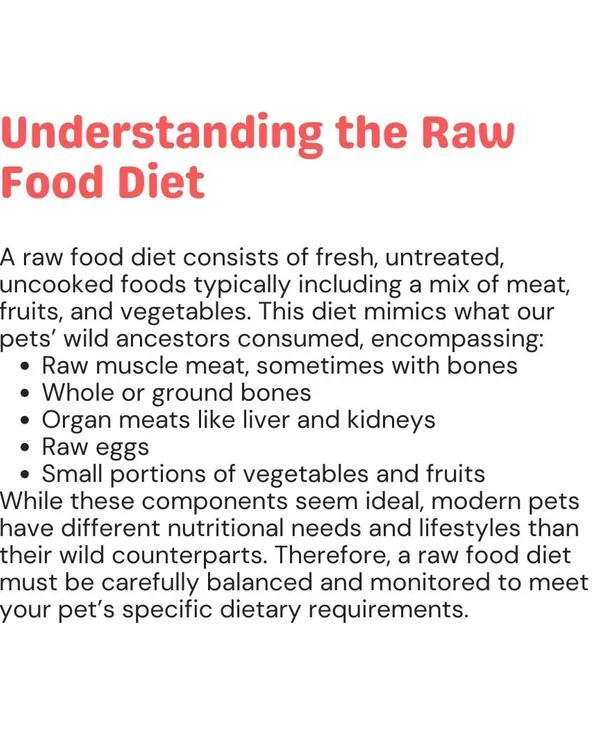
The raw food diet is popular, but is it safe in India? I discuss the potential risks, including pathogens from an unorganized meat supply chain and improper cold storage, and explain why I recommend cooked food for your pet's safety.
Protein is the building block for your dog's health, essential for muscle growth and tissue repair. Good sources include chicken, turkey, fish, and eggs.
Healthy fats are vital for your dog's skin, coat, brain, and joint health. I recommend incorporating sources like fish oil, flaxseed oil, and chicken fat in safe, recommended quantities.
Fruits and veggies provide essential vitamins, minerals, and fiber. Safe and healthy options for your dog include carrots, green beans, pumpkin, and blueberries.
Good carbohydrates give your dog the energy they need. Brown rice, sweet potatoes, and oats are excellent sources that support digestion and help maintain a healthy weight.
If your dog suffers from recurrent skin or ear infections, it could be a food allergy. I explain the signs of food-related hypersensitivity and why identifying the trigger is crucial.
These are the six most common food items that can cause allergic reactions in pets, including dairy, beef, and chicken. Knowing these can help you pinpoint the cause of your pet's discomfort.
Helping your pet lose weight is achievable. I share practical steps like creating a calorie deficit, reducing carbs, and maintaining a good exercise routine to get your pet back to a healthy weight.
Is your pet a fussy eater? A pinch of certain herbs and spices can make their food more appealing. I list eight safe options like turmeric, parsley, and mint that you can add to their meals.
About Pet Nutrition 101: What's in Their Bowl?
A lot of parents ask me about raw food diets. Honestly, in India, it is risky. Our meat supply chain is not always consistent, meaning raw meat can easily carry pathogens that make your pet sick. I always recommend cooking their food thoroughly to at least 165°F. It is the safest way to ensure they get their protein without the side of bacteria.
Understanding Their Bowl
Your dog is a facultative carnivore, not a vegetarian. While they can handle some veggies, their biology—from their sharp teeth to their digestive enzymes—is built for protein. If you are a vegetarian family, that is fine, but you need to be strategic about filling the nutrient gaps with sources like paneer, tofu, dal, and eggs, or integrating commercial diet options.
Watch Out for These Allergies
Does your dog have recurrent skin infections, ear irritation, or weird potty habits? It might be food-related hypersensitivity. The usual suspects are often the most common foods: milk, beef, chicken, soya, or wheat and gluten. If you spot these patterns, you may need to eliminate that specific trigger from their diet permanently.
The 'Masaledaar' Trap
We love sharing our food, but please keep the masala (spices) for yourself. Salt in excess, chili powder, onion powder, and garlic powder are dangerous and can cause serious issues like hypernatremia. However, not all kitchen ingredients are bad. A pinch of turmeric, coriander, or parsley can actually make their food more appealing if they are a fussy eater.
Weight Management Tips
If your pet is packing on extra pounds, you do not need to starve them. Start by creating a calorie deficit—reduce their daily intake by 10% for the first month. If that doesn't budge the scale, try removing carb-heavy filler foods like rice and bread. If they are still struggling despite good exercise and diet changes, it is time to check for underlying medical conditions like hypothyroidism.
Similar work from other experts
Browse through Curated picks from other experts on mytribe
 10
10
Expert Nutrition and Diet Advice for Your Pet
Nutrition Fundamentals: The 'Why' Behind the Bowl
Canine Nutrition: Simple Homemade Recipes for Your Dog
 18
18


Pet Parent Guides and Dog Nutrition Tips

Expert Pet Care and Nutrition Advice
 9
9


Pet Nutrition Plans for a Healthy Life
More from At-Home Veterinary Services by Kuddle
More services by Kuddle