Pigmentation, Melasma and Sun Tan Treatments
Uneven skin tone and dark patches need science, not home hacks. I use targeted treatments like PICO laser toning and evidence-based routines to safely restore your skin’s natural clarity.
Came back from a holiday with an unwanted tan? The first step is to soothe any inflammation with gentle creams. After a week, you can introduce mild exfoliants and depigmenting agents. For persistent tan, in-clinic chemical peels or laser toning offer the most effective solutions.
To effectively get rid of a summer tan, I recommend five key in-clinic treatments. These range from zero-downtime options like HydraFacial and laser toning to more intensive treatments like microneedling and chemical peels. My top choice for fast, powerful results is Pico laser toning.
Many of my patients with facial pigmentation ask about using 'kala mehndi' or black henna for hair color, but I strongly advise against it. These products often contain PPD, a synthetic dye that can cause severe allergic reactions and a type of facial pigmentation called pigmented contact dermatitis. It is not a safe alternative.
Hyperpigmentation and melasma are not the same. Hyperpigmentation is a general term for any darkening of the skin, like a tan. Melasma is a specific type of pigmentation, often triggered by hormones and genetics, that appears in patches on the face and can be more challenging to treat.
People often ask for my skincare secret, and it's Pico laser toning. I get this treatment done regularly because it addresses pigmentation, minimizes pores, and stimulates collagen for an anti-aging effect, all with no downtime. It's my go-to procedure for instantly glowing skin before any event.
A dark, velvety patch on the neck is often a sign of acanthosis nigricans, a condition linked to insulin resistance. It's not just "dirt" that can be scrubbed away. With the right diagnosis and treatment plan, it is possible to significantly lighten this type of pigmentation.
To tackle forehead pigmentation, I combine in-clinic treatments like exfoliating peels and Q-switched laser toning with a proper at-home routine. Using milder ingredients like tranexamic acid and retinols, and never skipping a mineral sunscreen, is key to achieving and maintaining great results.
Dark patches on the forehead can be caused by more than just the sun. Friction from rubbing, irritating ingredients in pain balms, hormonal conditions like diabetes, and even allergic reactions to hair dye can all contribute to forehead pigmentation. Identifying the cause is crucial for effective treatment.
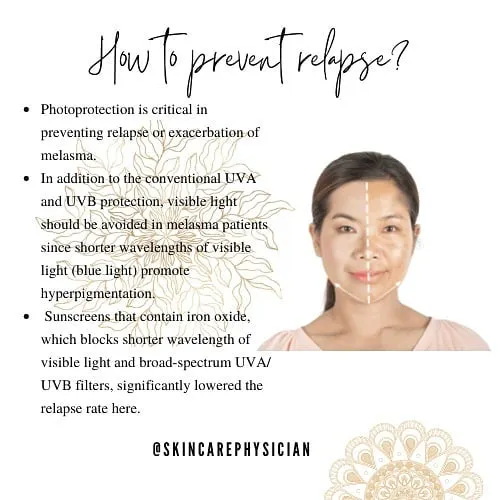
Your screen time could be damaging your skin. The blue light from laptops and phones contributes to pigmentation, especially in Indian skin tones. I recommend using a tinted mineral sunscreen containing iron oxide, which helps block this high-energy visible light, even when you are indoors.
I am always honest with my patients: melasma is one of the most difficult types of pigmentation to treat because it has so many variable causes. While a complete cure isn't always possible, we can definitely prevent it from worsening and significantly lighten it with patience and a consistent, long-term treatment plan.
About Pigmentation, Melasma & Tan Removal
If your tan or dark patches haven't faded after a few weeks, do not keep trying to scrub them away. Tanning involves increased melanin production deep within your skin, and harsh physical exfoliation often just irritates the area and makes the pigmentation worse. I treat stubborn cases by first calming any active inflammation and then using medical-grade PICO laser toning to safely break down the pigment without damaging the surrounding skin.
Understanding Your Skin's Pigmentation
Many patients come to me confused about the difference between a simple summer tan, post-acne hyperpigmentation, and melasma. It is important to know that these are not the same.
- Hyperpigmentation: This is a broad term for skin darkening, often caused by sun exposure (tanning) or inflammation like acne.
- Melasma: This is a specific, chronic condition often linked to hormonal shifts, genetics, and stress. It is deeper and harder to treat, appearing as patches on the cheeks, nose, and upper lip.
Why 'Home Hacks' Often Fail
I see many patients attempting to use 'instant whitening' creams or home remedies like black henna. Please, stay away from these. Many 'instant whitening' products contain steroids, hydroquinone, or mercury. While they might show a quick result, they cause thinning, permanent sensitivity, and sometimes irreparable damage like ochronosis (bluish-grey pigmentation that even lasers struggle to fix). Black henna often contains PPD, which can trigger severe contact dermatitis and lead to long-term facial pigmentation.
The Science of Treatment
My clinic focuses on US FDA-approved technologies that address pigmentation at the source:
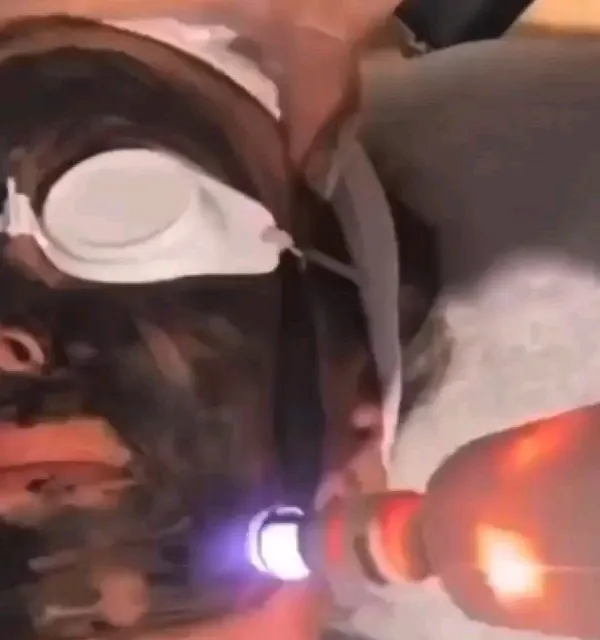
- PICO Laser Toning: My go-to for melasma and stubborn tan. It uses ultra-fast pulses to shatter pigment particles into tiny bits that your body naturally clears away. It is precise, requires zero downtime, and provides a secondary benefit of pore tightening.
- Targeted Protection: If you work in front of screens, you are being exposed to high-energy visible (blue) light, which accelerates pigmentation in Indian skin tones. I recommend switching to tinted mineral sunscreens containing iron oxide, as these provide the opaque barrier necessary to block blue light effectively.
Whether you are dealing with dark patches on your forehead or stubborn underarm pigmentation, we start with a diagnosis—not a product recommendation. Let's look at your skin properly and build a plan that is safe for your long-term health.
Similar work from other experts
Browse through Curated picks from other experts on mytribe
Effective Pigmentation & Melasma Treatment in Bangalore

Effective Pigmentation and Uneven Skin Tone Treatment
Treating Pigmentation and Uneven Skin Tone
 5
5
Effective Treatments for Managing Melasma and Pigmentation

Pigmentation and Skin Tone Correction
 5
5Pigmentation and Skin Tone Correction with Laser Therapy
More from Medical Dermatology by Urmila Nischal
More services by Urmila Nischal