Advanced Techniques: Sculpted & Gravity-Defying Cakes
Creating cakes that look like they shouldn't stand up is my favorite challenge. In these workshops, I pull back the curtain on the structural engineering and carving techniques that turn sponge into art.
This is my award-winning Ouroboros cake, a sculpted dragon that won at Cakeology 2024. This gravity-defying structure is made almost entirely of cake and represents the eternal cycle of rebirth.
A close-up of the Ouroboros dragon cake, showing the incredible texture of the hand-placed fondant scales. Each scale was individually cut and applied to create a realistic, shimmering effect.
The detail on the dragon's claw. In my sculpting classes, I teach how to create these fine details, from the texture of the skin to the sharpness of the claws, to make your creations look real.
A behind-the-scenes look at the creation of my award-winning sculpted snake cake. This video shows the process from building the internal armature to carving the cake and applying the final details.
A close-up of the intricate gear work on my gold-medal-winning Steampunk horse cake. I teach how to use fondant and molds to create detailed mechanical elements like these.
Detail of the leg joint on the Steampunk horse. This shows how different textures and components are layered to create a realistic, mechanical look.
The rear view of the sculpted horse, highlighting the tail made of individual fondant strands and the complex gear systems on the hindquarters.
The neck and head of the Steampunk horse, showing the layered armor plates and detailed gears around the eye.
A shot of the horse's powerful legs and hooves. My advanced classes cover how to create stable, weight-bearing structures for these kinds of dynamic poses.
Another angle of the horse's head, showing the combination of metallic finishes and intricate piping that brings the Steampunk aesthetic to life.
About Advanced Techniques: Sculpted & Gravity-Defying Cakes
It isn't magic that keeps a dragon or a horse standing upright, it is basic engineering. In these sessions, we skip the theory and go straight to the dowels, center poles, and internal armature. You will learn to calculate weight distribution so your creations look gravity-defying, even when they are fully edible.
Demystifying the Mechanics
Most people ask me if my sculpted cakes are actually edible or just foam props. The answer is always the same: they are almost entirely cake. The trick lies in the internal structure. You need to understand how to build a frame that holds the weight without compromising the flavor or texture of the sponge.
What We Cover
- Structural Engineering: We look at doweling, center poles, and base plates. You will learn how to carve sponge into dynamic shapes—whether it is a dragon’s curve or a circus tent’s slope—without it collapsing under its own weight.
- Material Ratios: You will work with specific CMC/Tylose ratios. This determines if your fondant figurines or sculpted scales will dry hard and hold their shape or turn into a drooping mess in Mumbai's humidity.
- Texture & Finish: From applying individual fondant scales to metallic painting and gear assembly for steampunk designs, we focus on the fine details that make the piece look real.
Why Hands-On Matters
You can read about structural stability, but you won't get it until you feel the weight of a stacked cake in your hands. My workshops are 100% practical. We use real cakes, not styrofoam, because the only way to troubleshoot baking chemistry, humidity, and stacking mechanics is to experience the mistakes firsthand in the studio. You leave with your own sculpted masterpiece, but more importantly, you leave with the confidence to engineer your own designs at home.
Similar work from other experts
Browse through Curated picks from other experts on mytribe
 20
20
Anti-Gravity & Structural Cakes in Mumbai
 12
12
Sculptural & 3D Cake Designs in Mumbai
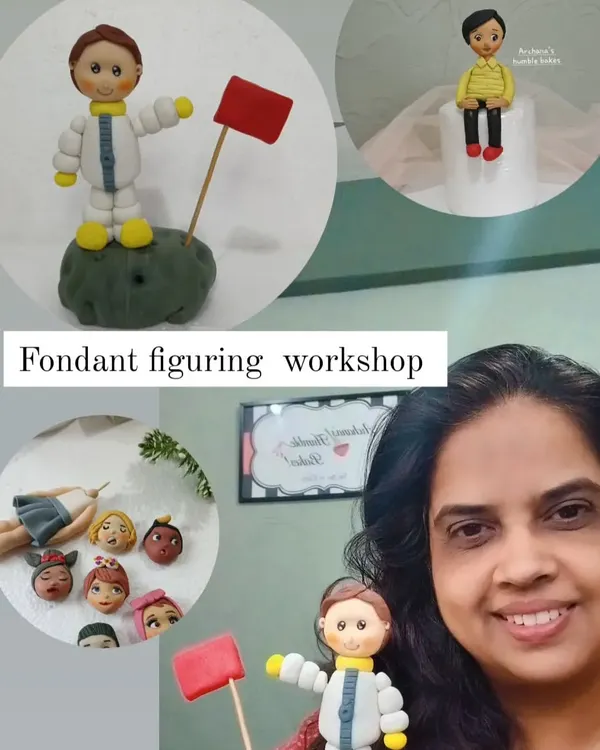 4
4
Advanced Fondant Art Workshops for Beautiful Cake Toppers
Gravity-Defying and Illusion Cake Designs in Mumbai
Master Themed Cake Artistry with Eggless Baking Workshops
 8
8

Custom Theme Cakes in Mumbai That Defy Gravity
More from Cake Decorating Workshops by Bomberry Bakes
More services by Bomberry Bakes